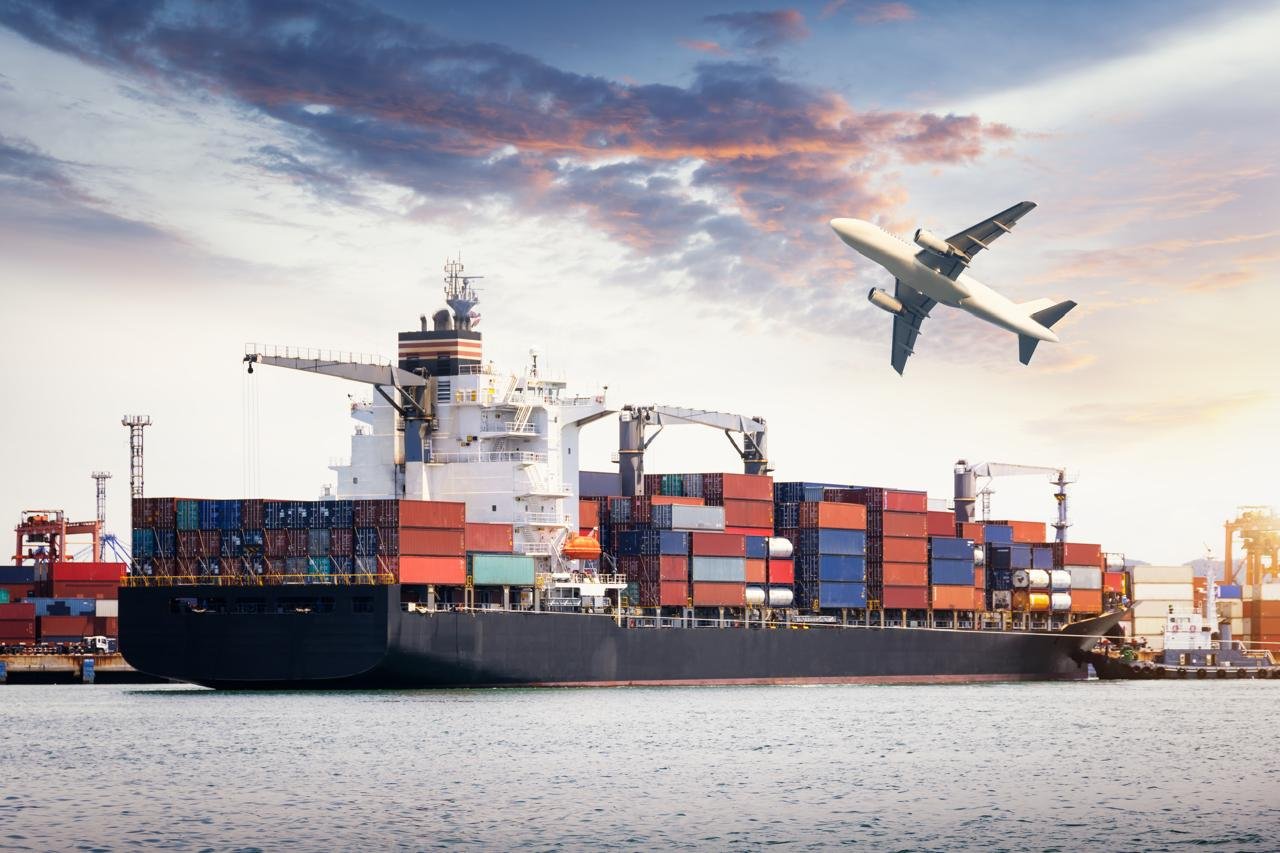


Understanding Ocean Freight Containerization
When shipping cargo internationally by sea, choosing between Full Container Load (FCL) and Less than Container Load (LCL) is one of the most critical decisions affecting both your shipping budget and delivery timeline.
When to Choose Full Container Load (FCL)
- High Cargo Volume: Typically suitable for shipments exceeding 15 cubic meters (CBM) or occupying 10+ standard pallets.
- Dedicated Security: The container is sealed at the origin and only opened at destination customs or your warehouse.
- Faster Transit Times: FCL bypasses consolidation and deconsolidation depots, shaving off 3 to 7 days from total transit time.
When to Choose Less than Container Load (LCL)
- Small to Medium Shipments: Ideal for cargo between 1 to 14 CBM.
- Pay Only for Space Used: You only pay for the exact volume (CBM) or weight your goods occupy.
- Frequent Inventory Restocking: Avoid waiting for enough goods to fill an entire 20ft or 40ft container.
Cost Comparison Table
| Factor | FCL (Full Container) | LCL (Consolidated) |
|---|---|---|
| Cost Structure | Flat rate per container | Per CBM / Metric Ton |
| Handling | Minimal touchpoints | Consolidation at CFS |
| Customs Risk | Individual clearance | Shared container clearance |
Contact FreightX today for customized ocean freight calculations tailored to your cargo dimensions and trade lanes.